
Beyond EBITDA: What Is a Technology Firm Worth?
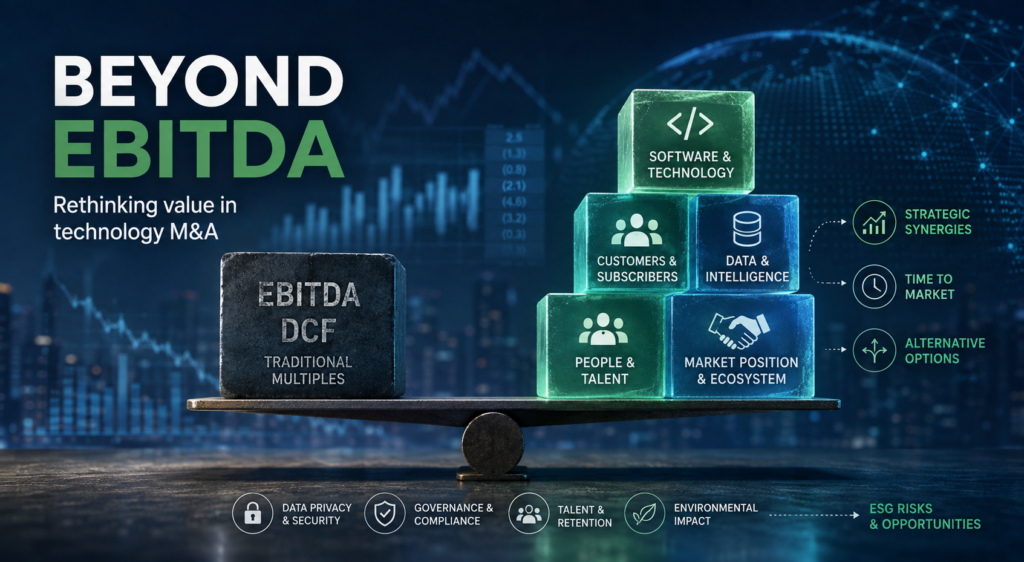
Why software, subscribers, data, talent and strategic synergies can matter as much as current earnings in technology firm valuations Traditional business valuation is well-trodden terrain: earnings, cash flows and market multiples. Yet in technology M&A, particularly for younger or rapidly growing businesses, these measures may provide an incomplete picture of what a buyer is actually […]
What oil prices tell us about the value of green businesses

The value of sustainable businesses is often discussed as though it exists in a steady state. A green widget manufacturer is often assumed to command a persistent valuation premium over its conventional equivalent. Some investors may be willing to pay more because of environmental benefits, regulatory tailwinds and stronger long-term commercial prospects. Reality, however, is […]
Why Impact Entrepreneurs Should Not Forget About Financial Sustainability

Impact entrepreneurs are all about changing the world. Whether tackling climate change, advancing the circular economy, improving healthcare, reducing inequality or creating better educational outcomes, they are driven by a purpose beyond profit. Yet while impact entrepreneurs rightly speak the language of mission, they must also become fluent in the language of finance. As much […]
Beyond the Greenium: Modelling Financing Advantages for Sustainable Businesses

When forecasting the prospects of sustainable firms, it is of course critical to understand their capital structure. Much of the intersection of sustainability and capital structure has focused on one question: does being green reduce a company’s cost of debt? The answer is sometimes. While the concept of the “greenium”—where green debt is priced slightly […]
When ESG becomes a bank run – and what that means for stresstesting & valuation

Everyone is familiar with the concept of a bank run. It all starts with a fear, a negative perception: Depositors begin to question a bank’s financial strength and rush to withdraw their funds. In doing so, they create precisely the liquidity crisis they feared. The same perception-led dynamic can occur in relation to ESG. A […]
A net zero target alone is insufficient: Research assessing impact on cost of equity

Some firms assume that declaring a net zero target will automatically improve how investors view climate risk. Yet investors are becoming more sophisticated than that: A recent paper by Keith Chan and Wilson Wan in the Journal of Corporate Finance argues that net zero commitments can actually increase a firm’s carbon risk premium if investors […]
Energy sector valuations: Considering sector outlook

When valuing a company, it’s tempting to focus on the business itself – eg. its revenues, its margins, its growth plans Yet in many sectors, you cannot look at this in isolation. A more relevant question is often: What is happening to the sector around it? I.e. How is it evolving structurally? How are demand […]
What did you actually buy? A €10m heat pump acquisition unpacked using PPA

You’ve acquired a business for €10 million. The deal is done — but your financial statements don’t yet reflect what you’ve actually bought. Under IFRS 3, you are required to translate that purchase price into identifiable assets, liabilities and goodwill. This is not just a compliance exercise — it is a structured process to ensure […]
Dealing with wars and other exogenous shocks: Number distortions & firm valuations

Major external shocks can leave clear marks on corporate financials, making valuations significantly more challenging. This becomes particularly difficult when such shocks are not purely one-off events, but may reasonably recur in the future. Recent geopolitical developments in the Middle East illustrate this issue. Armed conflict, such as the current war involving Iran, has the […]
The “Green Knife”: Identifying Sustainability Value Drivers Within a Company
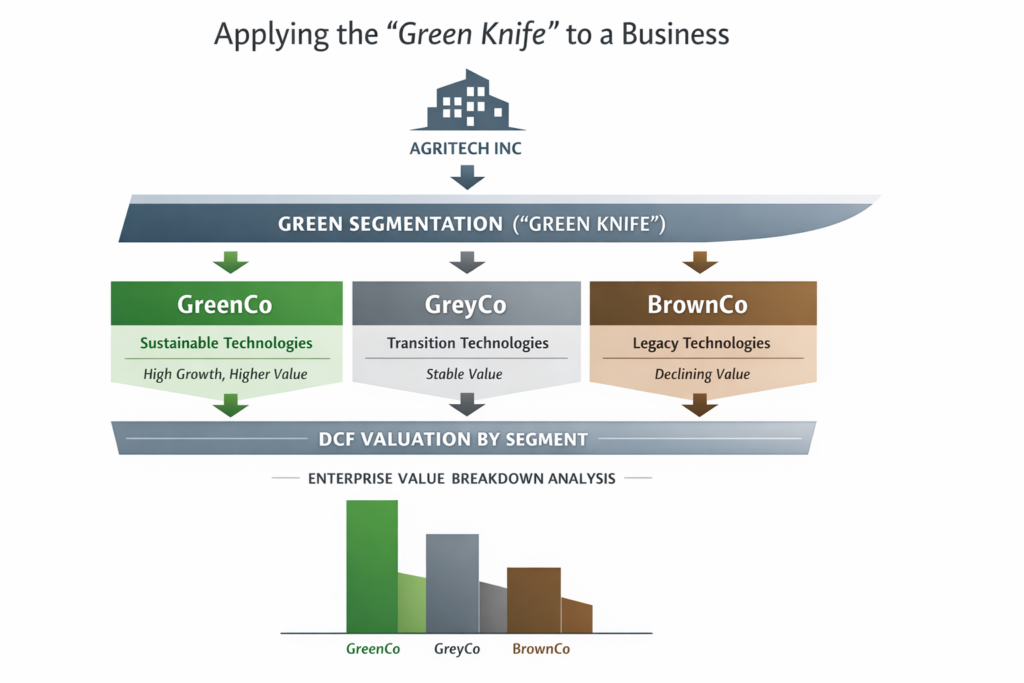
Very few companies are purely “green” or purely “brown”.Most businesses operate across a mix of sustainable, transitional and legacy activities. This creates a fundamental strategic question for boards and investors: Which parts of the business actually create long-term sustainable value? And how much of the firm’s enterprise value is driven by those activities? Traditional valuation […]